
Recommendations for the selection of materials
Why do DIFFERENT trousers come out of the same pattern? The secret lies in the fabric!
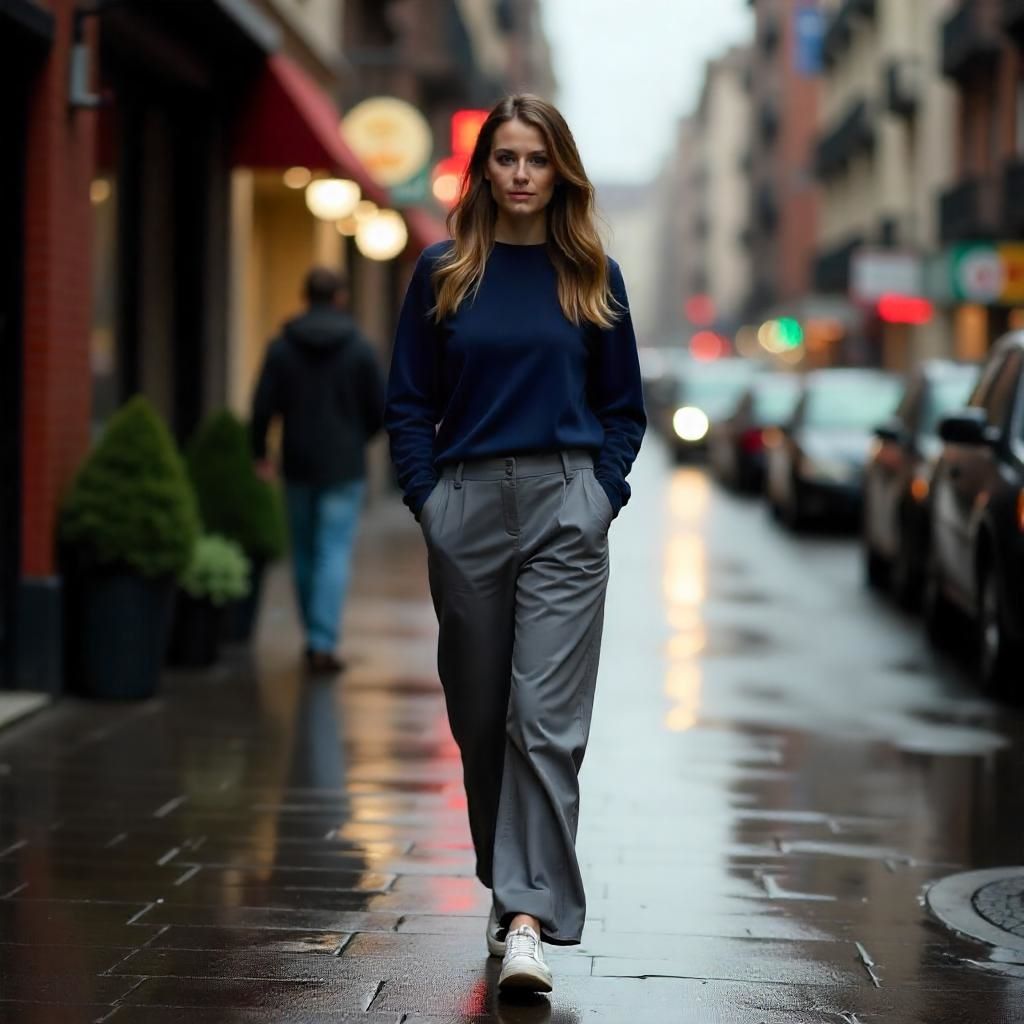
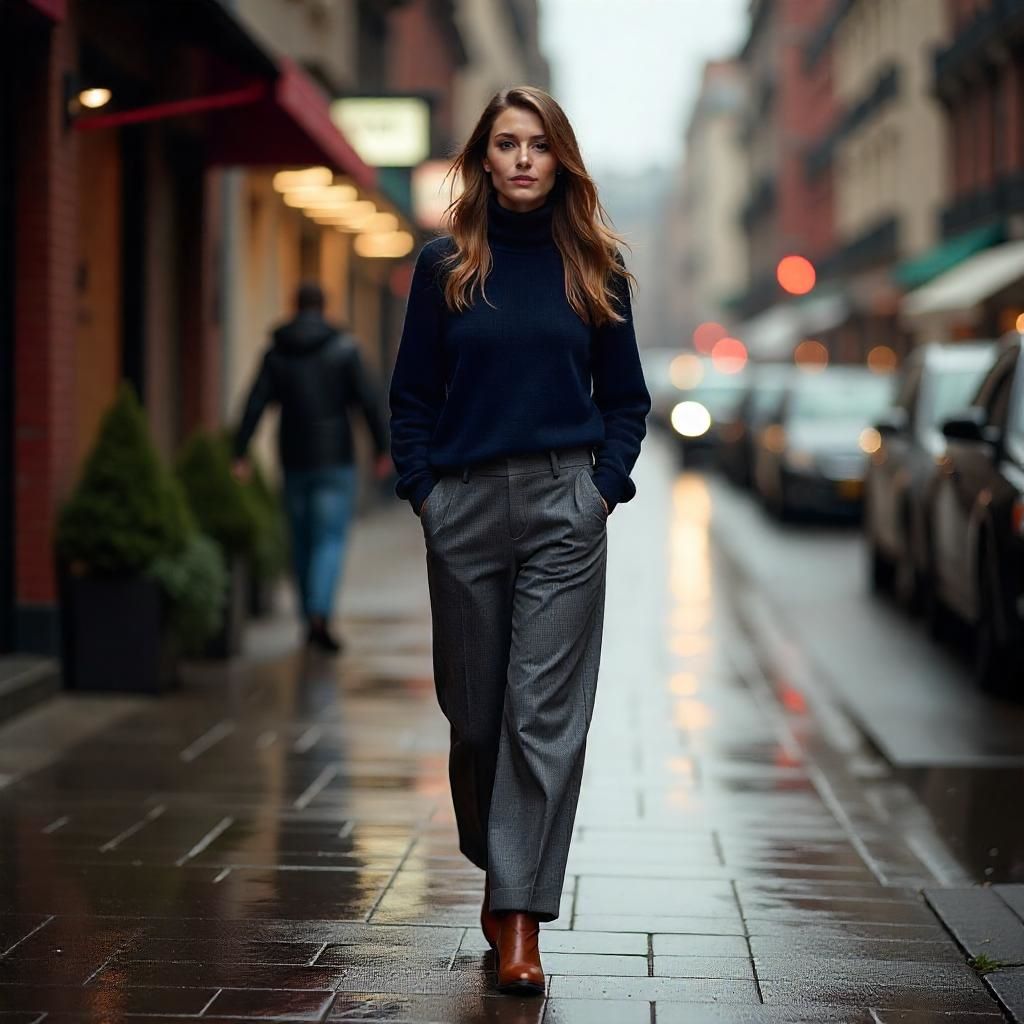
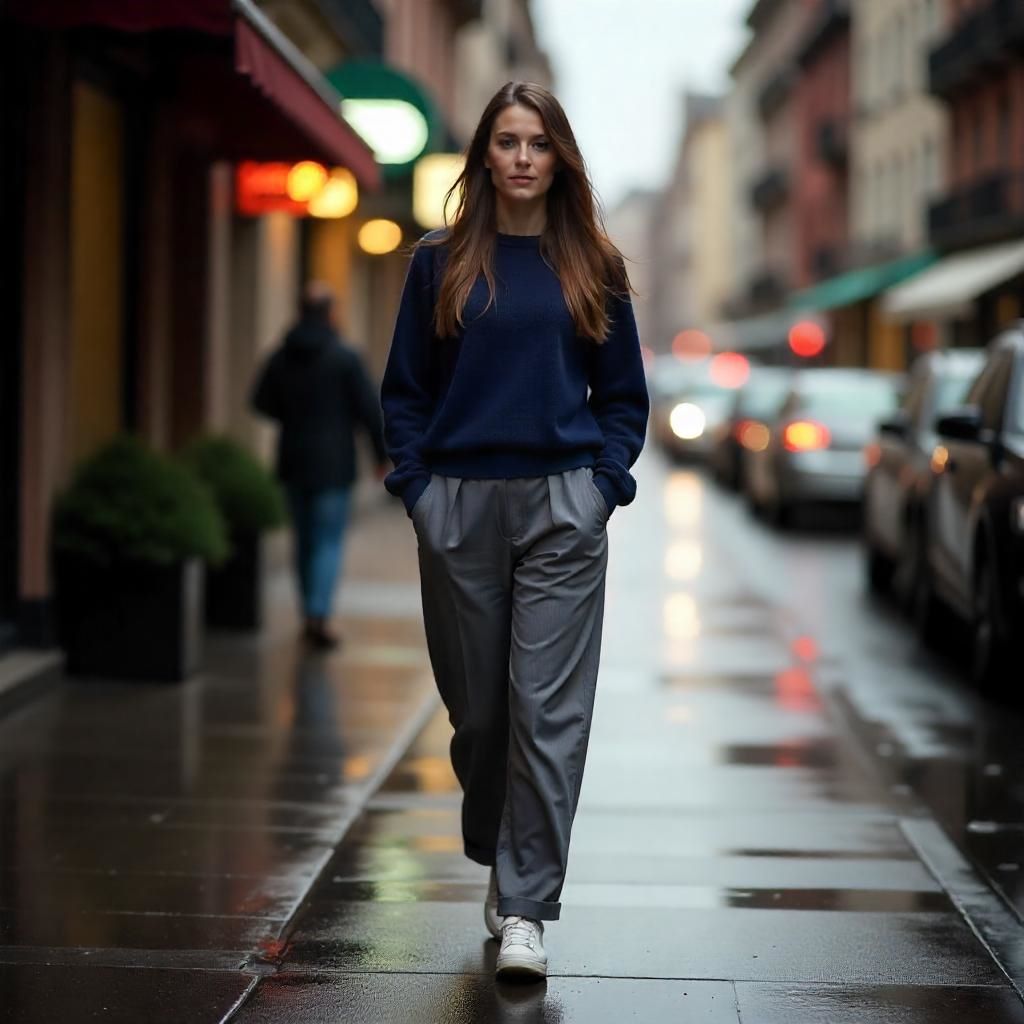
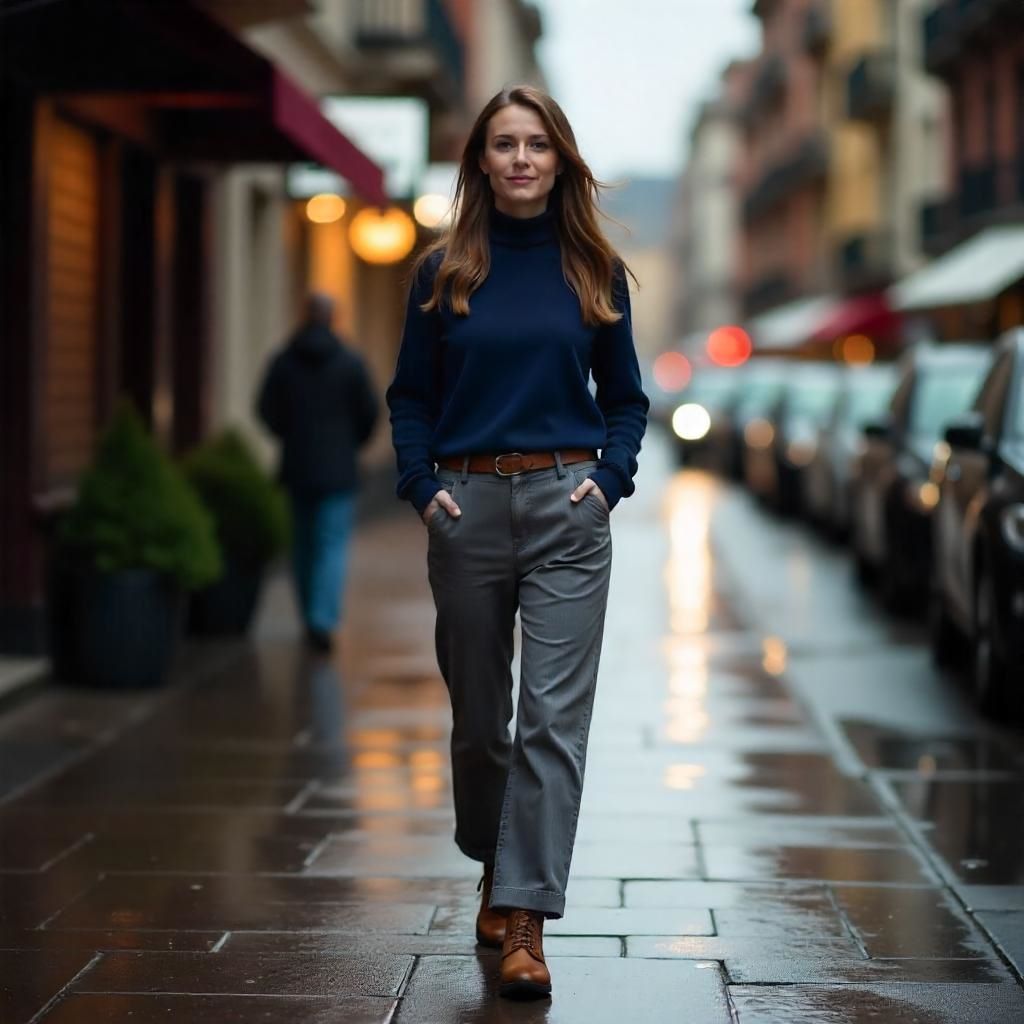
Have you ever enthusiastically sewed perfect trousers according to your favorite pattern, put your soul into the process, and got something on the way out… Not exactly that? Did the trousers turn out to be too baggy, unexpectedly tight, strangely bulging at the knees, or just «sitting» differently than last time? Don’t rush to blame the pattern or your skills! Most likely, the culprit is material properties. The same pattern in the hands of different fabrics turns into completely different products. Let’s figure out how the fabric conducts the process.
Fabric Is Not A Passive Participant, but The Main Conductor.
Imagine the pattern as an architectural plan. Fabric is not just bricks, but a living, breathing material with its own character. Its properties directly affect how this plan will be implemented in volume on your figure.
The key properties of the fabric that change the "game":
1. Drapability (Plasticity):
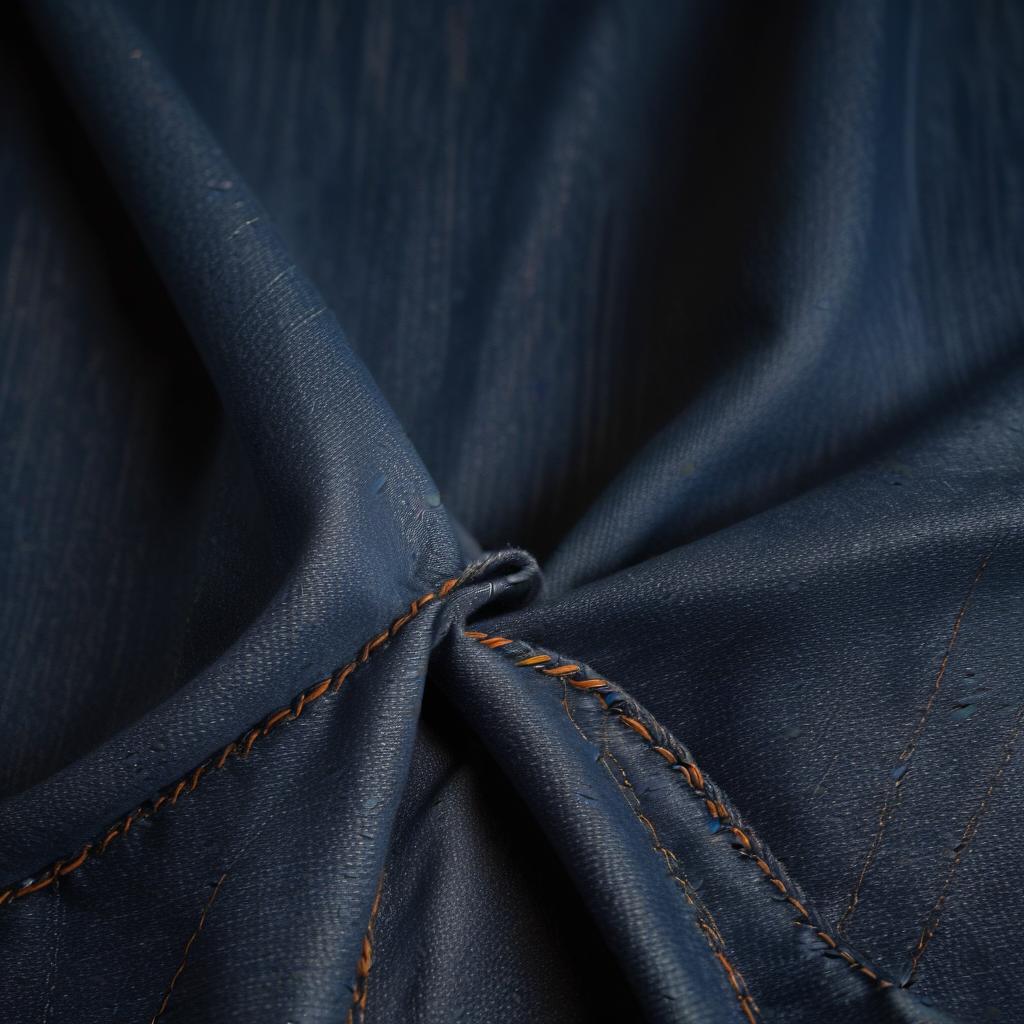
What is it? — The ability of the fabric to gently fall down and form folds under its own weight.
How does it affect trousers?
High drapability (silk, viscose, soft stretch knitwear, fine wool):
This fabric will gently wrap around the hips, flowing smoothly down, creating a more form-fitting silhouette even with allowances for freedom of fit . Trousers will look softer, more feminine, and can visually «stretch» your figure. But it can also emphasize the slightest irregularities.
Low drapery (dense cotton (jeans, gabardine), linen, hard suit material): This fabric holds its shape. She will form clear creases along the arrows, stand like a stake on her knees, if this is not provided for by flaring, and create a more structured, sometimes brutal or classic silhouette. Trousers will look bulkier and straighter.
2. Extensibility (Elasticity):
What’s it?
The ability of the tissue to stretch and return to its original state (or not).
How does it affect trousers? — This is a VERY important factor!
Fabrics without stretch (cotton, linen, thick wool): They require precise alignment of the pattern to the figure, including the necessary allowances for freedom of movement. The trousers will fit as intended by the pattern, but may be less mobile.
Fabrics with elastane (stretch jeans, stretch suit, knitwear): They fit the body, adapting to its shape. On such fabrics, trousers are often sewn without allowances or with minimal allowances for the freedom of fitting in the hips and waist. If you take a pattern for non-stretch fabric and sew it from stretch with the same allowances, the trousers will turn out to be baggy and shapeless.
Conversely, sewing non-stretch fabric according to a stretch pattern will lead to a «no-go.»

3. Density and Thickness:
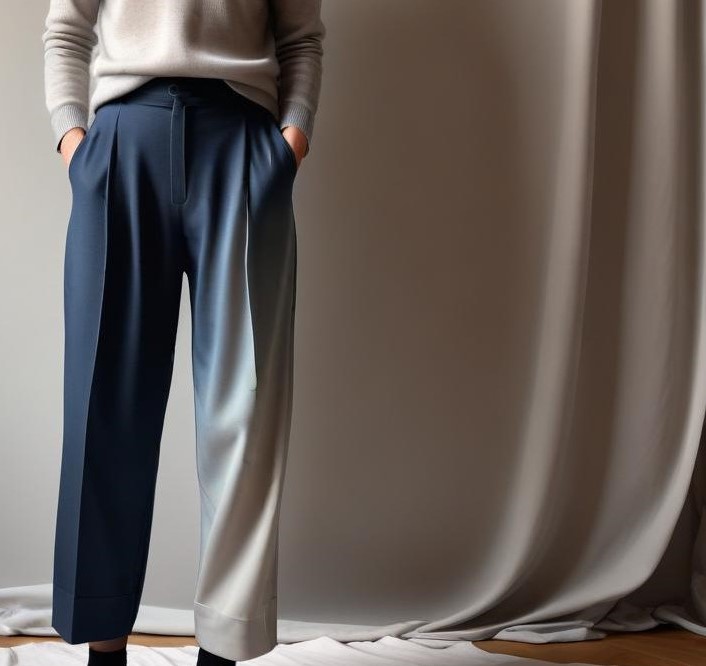
What’s it? — The weight and «massiveness» of the fabric per unit area.
How does it affect trousers?
Light and thin fabrics (chiffon, crepe, thin knitwear): They easily form soft folds, can be transparent, and require special seam treatment. Trousers made of them will be airy, but they can cling and require lining.
Medium fabrics (standard cotton, linen, viscose): The most versatile option. They keep their shape well, but they also drape.
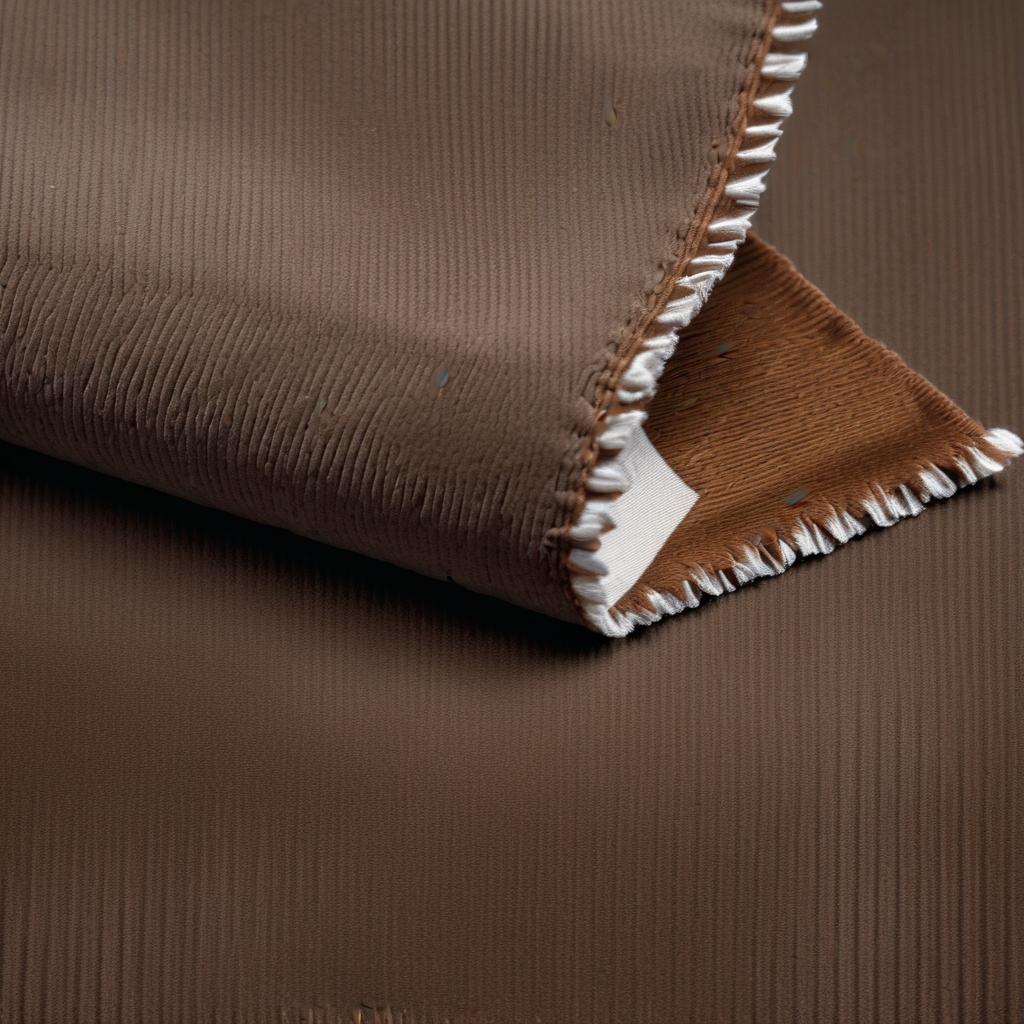
Dense and thick fabrics (jeans, costume wool, corduroy, cordura): Add volume. The seams become thicker and stiffer, which can affect the fit in the area of the step seam and belt. Trousers turn out to be more «weighty» and structural.
4. Shrinkage:
What’s it? — The ability of the fabric to shrink in size after washing or wet-heat treatment (WTO).
How does it affect trousers? Catastrophic if you don’t take it into account! If you do not decant (pre-wash / steam) the fabric before opening, perfectly sewn trousers may become a size smaller and deform after the first wash. It is especially critical for natural fibers (cotton, linen, wool).
5. Stability (Flowability):
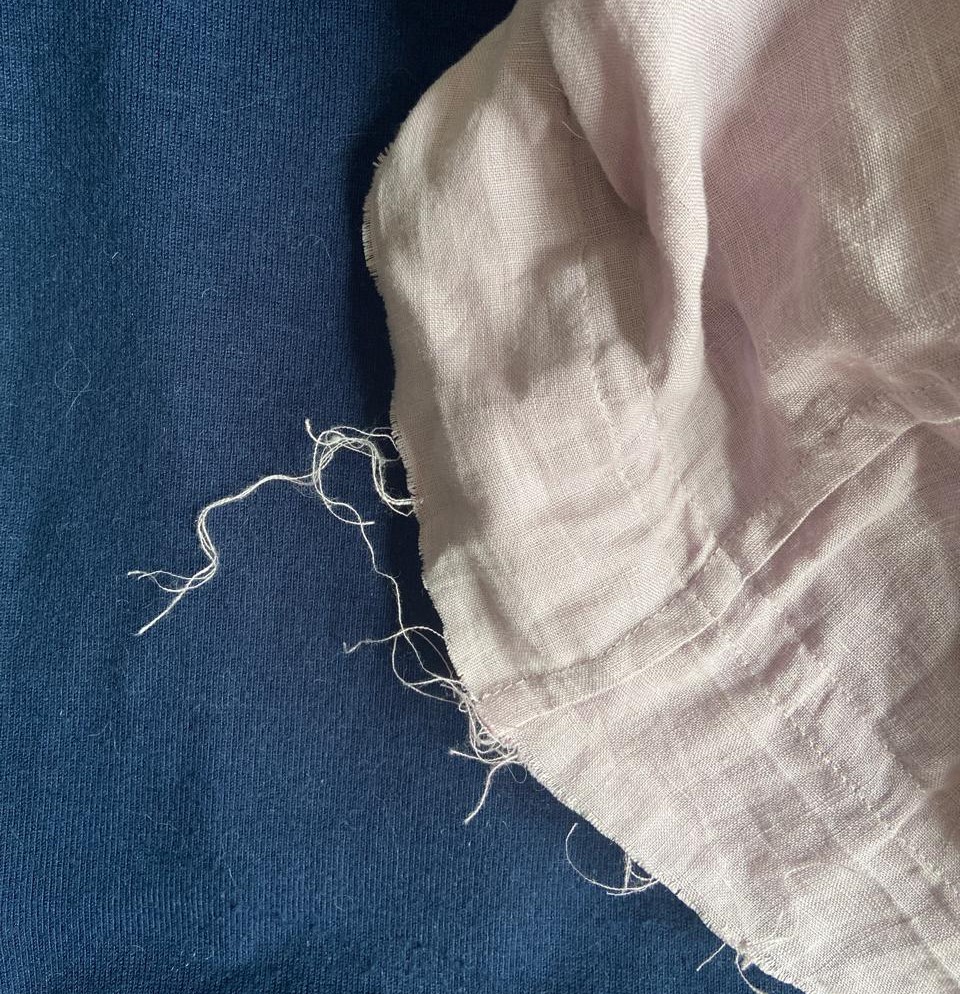
What’s it? — The ability of the fabric to maintain the structure of the threads and not crumble along the sections.
How does it affect? — Loose fabrics (silk, some fine synthetics, loose wool) require large seam allowances and special processing (overlock, French seam). This can indirectly affect the volume of the seams and, consequently, the fit in tight-fitting places.
How to make friends between a pattern and a fabric:
1. Test the FABRIC, not just the pattern: before cutting the main fabric, make a test sample (mock-up) of this particular fabric or the one that is as similar in properties as possible. This is the golden rule!
2. Consider stretchability:
Choose patterns with a clear label «for elastic fabrics» or «for fabrics without stretching».
If you are adapting the pattern, adjust the allowances: reduce them for elastic fabrics, increase them for dense ones.
3. Think about drapery: Imagine how the fabric will behave on the figure. Do you need a soft, form-fitting silhouette (choose a draping fabric) or a clear cut (choose a dense fabric with low drapability)?
4. MANDATORY wet-heat treatment of the fabric: always soak / steam the fabric before cutting, as you plan to take care of the finished trousers. This will prevent unpleasant surprises associated with shrinkage after sewing.
5. Adjust at the Fitting: Try on trousers during the layout stage and after stitching the main seams. The properties of the fabric may require adjustments to be made during the sewing process.
6. Study the composition and reviews: Pay attention to the fabric composition on the tag and read reviews from other seamstresses about how she sews.