
Viscose: natural artificiality?
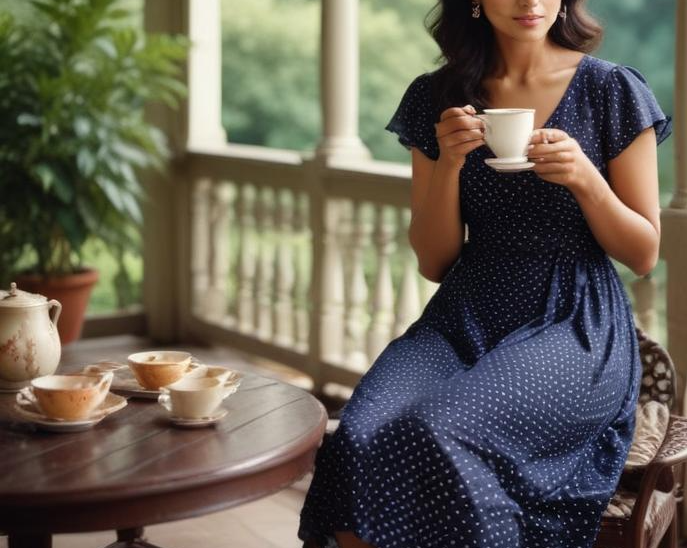
Viscose. What kind of fabric is this and how is it BETTER (and not so much) than others!
Hello, my fabric fans! Today, the focus is on viscose. She is loved for her flowing look and comfort, but is often confused with natural fabrics or synthetics. Let’s put all the dots on the I and compare it with other popular materials!
What is viscose?
Viscose is a regenerated cellulose fiber. Does it sound complicated? In fact, it is made from wood pulp (most often eucalyptus, bamboo, pine), but using chemical processes. Thus, it is not 100% natural (like cotton or linen), but also not synthetic (like polyester) fabric. It is located somewhere in the middle — artificial, but made from natural raw materials.
How viscose conquers hearts (and bodies):
The main trump card! Viscose forms stunning, soft, flowing pleats that look so good on dresses, skirts and blouses. In this respect, it is superior to cotton and linen, which are often more durable and retain their shape. Breathing!
Like natural fabrics, good viscose is excellent for air permeability and moisture absorption. In the heat, it is more comfortable in it than in pure polyester, which can create a «greenhouse effect».
Softness and tenderness: High-quality viscose is very pleasant to the skin — silky and smooth. Tactile sensations are often softer than linen and can compete with expensive cotton.
Viscose can have a beautiful noble luster, similar to silk, but at the same time be much more affordable.
Color rendering: Perfectly perceives bright and saturated colors.
And now the flip side of the coin (and the differences).:
Durability (especially when wet):
Viscose is less durable than cotton, linen or synthetics, especially when wet. Requires careful washing!
Crease: Yes, it creases a lot! Much more than polyester or cotton with the addition of synthetics. Be ready for ironing. Linen is also wrinkled, but this is his «trick», and viscose is wrinkled «untidily».
Shrinkage: May shrink due to improper washing (in hot water or machine drying). Polyester is more stable in this regard.
Elasticity: Pure viscose almost does not stretch (like linen or cotton). To add elasticity, elastane is added to it.
Durability: With improper care, viscose can lose its appearance faster than high-quality cotton or synthetics.
Comparison of viscose with other fabrics: a small cheat sheet.
Polyester: Viscose breathes better, is pleasant to the body and flows. Polyester is stronger, creases less, is cheaper, and absorbs moisture less well.
Cotton: Viscose drapes better, it is softer (often) and has a sheen. Cotton is stronger (especially when wet), less wrinkled and more hypoallergenic.
Linen: viscose is much softer and more pleasant to the skin, so it drapes better. Linen is stronger, holds its shape better, has a unique texture and a «natural» fold, and cools better.
Silk: Viscose is a budget alternative with similar drapery and gloss. Silk is natural, more durable, more expensive and has unique thermoregulating properties.
Important! Care of viscose:
Most often, this is a delicate wash in cool water (30 ° C).
It is better in a bag and without strong pressing.
Steam ironing on medium mode (silk/wool) may be slightly damp.
Avoid machine drying (severe shrinkage!).
Always look at the label! The composition (100% viscose or a blend) and the manufacturer’s recommendations are the law!
Bottom line: viscose is an amazing fabric for creating feminine, flowing and comfortable things. Her strength lies in the drapery, softness and the ability to breathe. But remember that it creases and requires careful care! Choose it when lightness and aesthetics are important, not «indestructibility.» It is perfect for summer dresses, blouses, midi and maxi dresses, linings.